




















Quick Summary
- Olive skin has a green-yellow undertone layered over a warm, cool, or neutral base, which is why many "universal" blush shades look muddy or ashy on olive complexions.
- Check your inner wrist veins to find your olive type: green-gold veins mean warm olive, blue-grey means cool olive, and a mix means neutral olive.
- Warm olive skin looks best in warm corals, terracotta, and golden peach.
- Cool olive skin shines in dusty mauves, cool rose, and berry tones.
- Neutral olive skin can wear both families, with soft pink, rosey taupe, and neutral peach as go-tos.
Finding the right blush for olive skin can feel like a guessing game. Most "universal" shade guides skip right over olive undertones, lumping them in with warm or medium complexions. This guide breaks down which blush colors, formulas, and techniques actually work with your olive undertone — and which ones to leave on the shelf.
You will learn how to identify your place on the olive spectrum, choose shades that bring out your natural warmth, and layer blush for a finish that lasts. Whether your olive skin runs warm, cool, or neutral, the right blush color makes all the difference.


What Makes Olive Skin Different?

The best blush for olive skin starts with understanding what sets your complexion apart. Olive skin carries a green-yellow cast beneath the surface — a secondary undertone that sits on top of your warm, cool, or neutral base. That extra layer of pigment is why a blush shade that looks gorgeous on a warm-toned friend can turn muddy or ashy on you.
How to Determine Your Skin's Undertone
Olive complexions span a wide range. You might be light olive with a subtle golden-green tint, medium olive with a more visible warmth, or deep olive with rich bronze-green depth. Within that range, you can lean warm olive (more golden), cool olive (more grey-green), or neutral olive (balanced between the two).
So how do you tell which one you are? Look at the veins on your inner wrist. If they appear green-gold, you are likely warm olive. If they lean blue-grey, cool olive. A mix of both points to neutral olive.
This matters because the green-yellow base in olive skin neutralizes certain pigments on contact. Choosing blush colors for olive skin means picking shades with enough saturation and the right undertone to work with — not against — that natural cast.
What Are the Best Blush Colors for Olive Skin?

Not all blush shades are created equal when it comes to olive undertones. Your best blush color for olive skin depends on where you fall on the warm-cool spectrum. Here is a breakdown by olive type so you can shop with confidence.
Warm Olive Skin
If your olive skin leans golden or peachy, lean into shades that amplify that warmth rather than fighting the green undertone. Look for:
- Warm corals: Bright enough to pop on olive skin without looking orange or clownish
- Terracotta: A sun-baked, earthy flush that looks like you just stepped off a beach
- Golden peach: Soft warmth that reads as a natural flush, not a color sitting on top of your skin
These shades enhance the golden dimension in warm olive complexions and create a lit-from-within glow.
Cool Olive Skin
Cool olive skin has more grey-green depth, which means warm-leaning shades can look off. Instead, reach for tones that add dimension without washing you out:
- Dusty mauves: A muted, sophisticated flush that works with the cooler cast in your skin
- Cool rose: Pink with a blue or violet base that brightens cool olive complexions instantly
- Berry tones: Deeper, wine-tinged shades that create striking contrast without looking muddy
The key is choosing blush colors with a cool or neutral base so they complement the grey-green undertone.
Neutral Olive Skin
Neutral olive is the most versatile olive type — you can pull from both warm and cool shade families. Your best bets include:
- Soft pink: A true mid-tone pink that reads as a natural, just-pinched flush
- Rosey taupe: A muted, sophisticated shade that bridges warm and cool beautifully
Neutral olive skin gives you the widest blush playground, so experiment freely with shades across the spectrum.
What Blush Colors Should Olive Skin Avoid?

Just as certain shades bring olive skin to life, others fall flat. Here are the blush families that tend to clash with the green-yellow undertone:
- Sheer pastels and baby pinks: These lack the pigment saturation to register on olive skin and end up looking chalky or invisible
- Overly orange blushes: The green undertone neutralizes the orange pigment, leaving a dirty or muddy cast on your cheeks
- Very light nudes: These wash out olive complexions entirely, making your skin look flat and one-dimensional
The common thread? Your olive skin's green-yellow base absorbs or cancels out these pigments before they can create a visible flush. Skip these and reach for saturated, undertone-matched shades instead.
A quick test: swatch a shade on the back of your hand and check it in natural light after 60 seconds. If it looks grey, chalky, or disappears, your olive undertone is neutralizing it.
Is Cream or Powder Blush Better for Olive Skin?
The short answer? Both — and layering them together gives you the best of each formula. Here is how each one works on olive skin.
Cream blush melts into the skin for a dewy, natural finish. If your olive skin tends toward dryness, cream formulas blend seamlessly and create a skin-like flush that never looks powdery or cakey.
Powder blush delivers a softer, airbrushed effect with more control over intensity. If your olive skin runs oily or you need a long-wear finish, powder gives you staying power without sliding off by midday.
Layering both is where things get next-level. Patrick Ta's signature cream-over-powder technique combines the longevity of powder with the dimensional glow of cream. You get a finish that looks multidimensional, melted-in, and lasts all day — exactly the kind of layered radiance that olive skin wears beautifully.
How to Apply Blush on Olive Skin
Where you place blush matters just as much as the shade you choose. On olive skin, strategic placement keeps the color vibrant and avoids a muddy effect in the hollows of your cheeks. Follow this three-step technique:
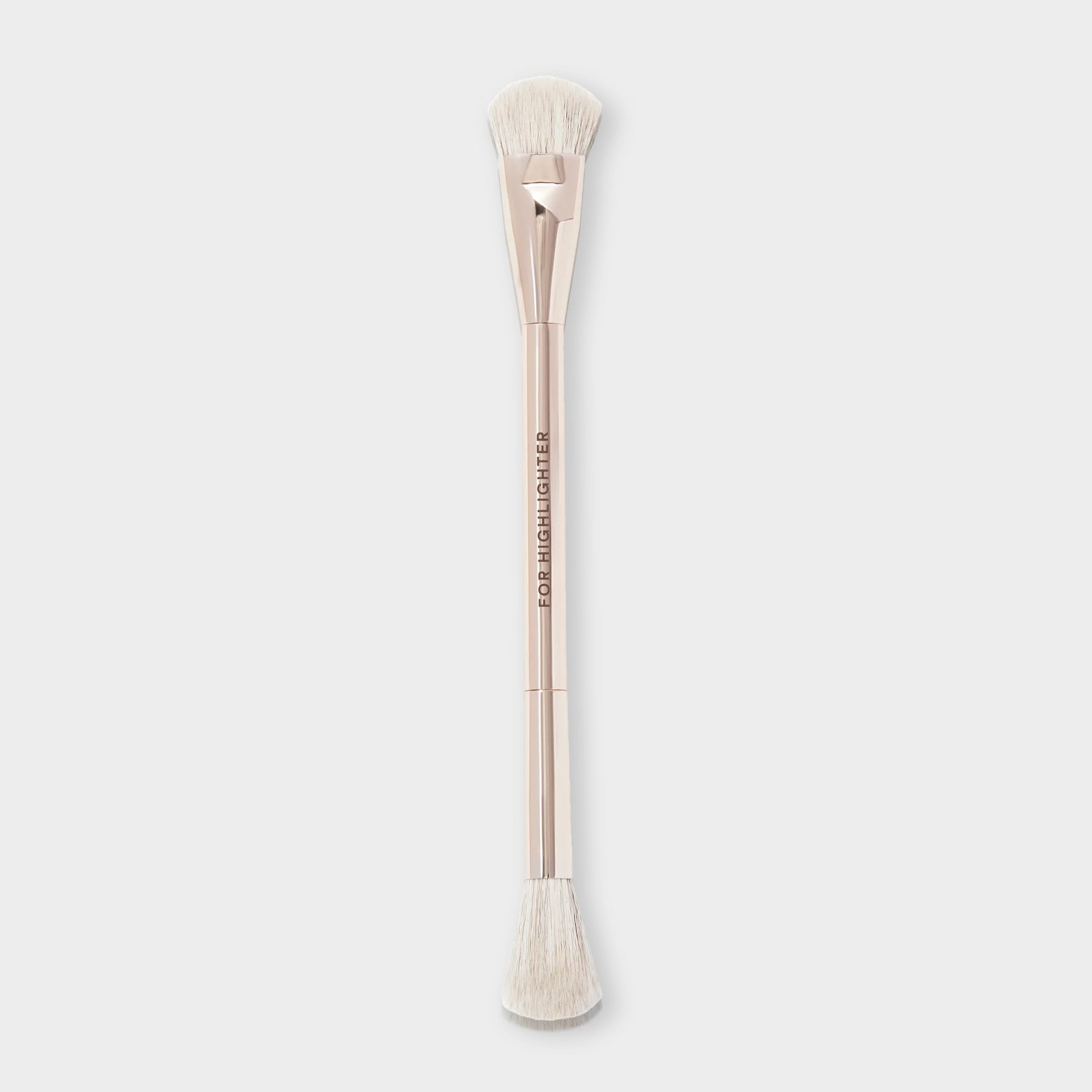
Step 1: Diffuse powder blush. Load a fluffy brush with your powder shade and sweep it onto the outer apples of your cheeks. Use light, circular motions to diffuse the color — you want a soft base, not a concentrated dot.
Step 2: Stamp cream blush over the powder. Pick up cream blush on a dense brush and press it directly over the powder layer. Stamping (rather than swiping) locks the cream into the powder for a finish that grips the skin and builds intensity without moving the product around.
Step 3: Blend upward toward the temples. Use your fingertips or a clean brush to sweep the edges of color up toward your temples. This connects your blush to your bronzer zone and creates a seamless, lifted effect.
Pro Tip: On olive skin, keep your blush placement slightly higher on the cheekbone. Placing color too low — in the hollows — can make blush look muddy against your green undertone. Higher placement catches the light and keeps your flush looking fresh and lifted.
Our Favorite Blush Shades for Olive Skin
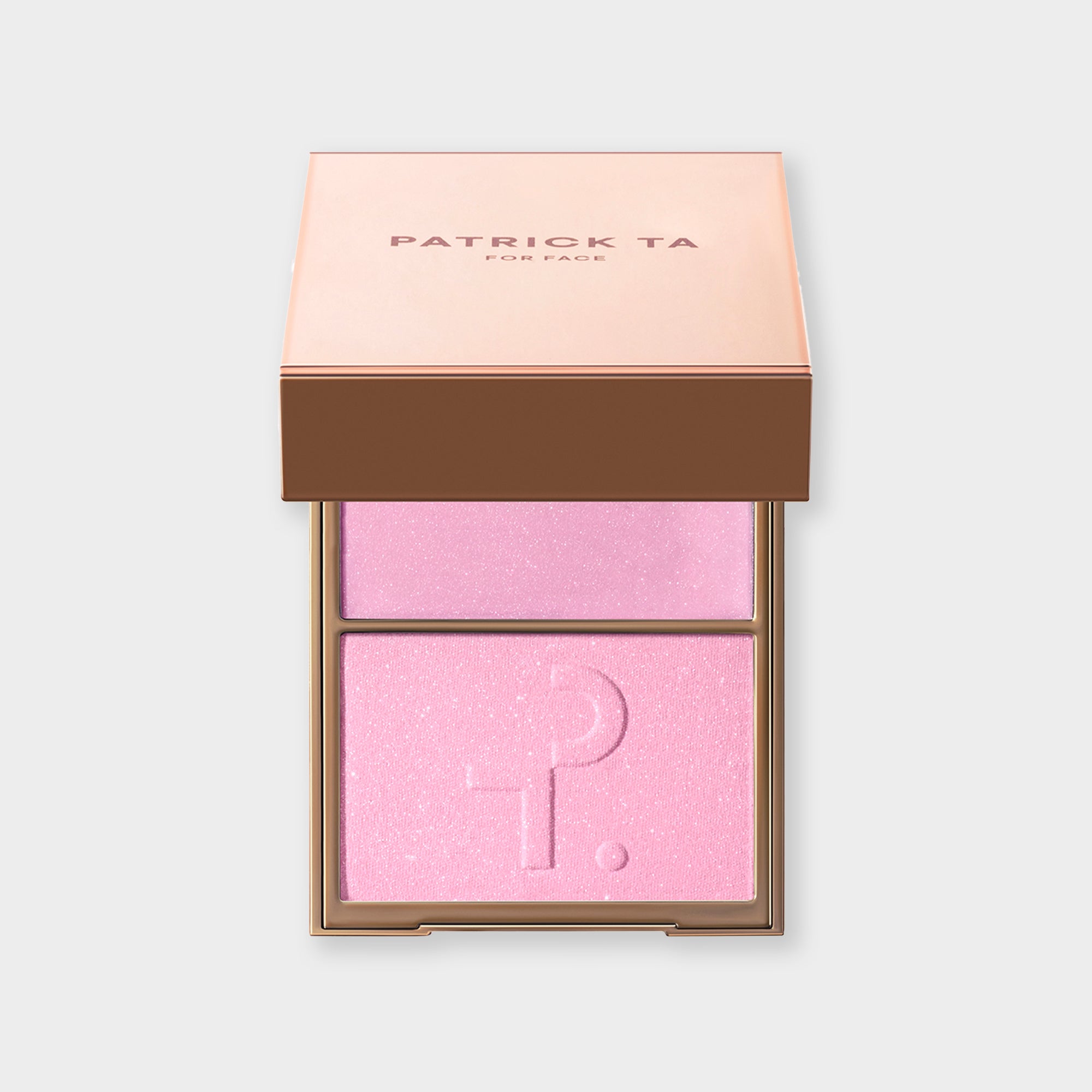
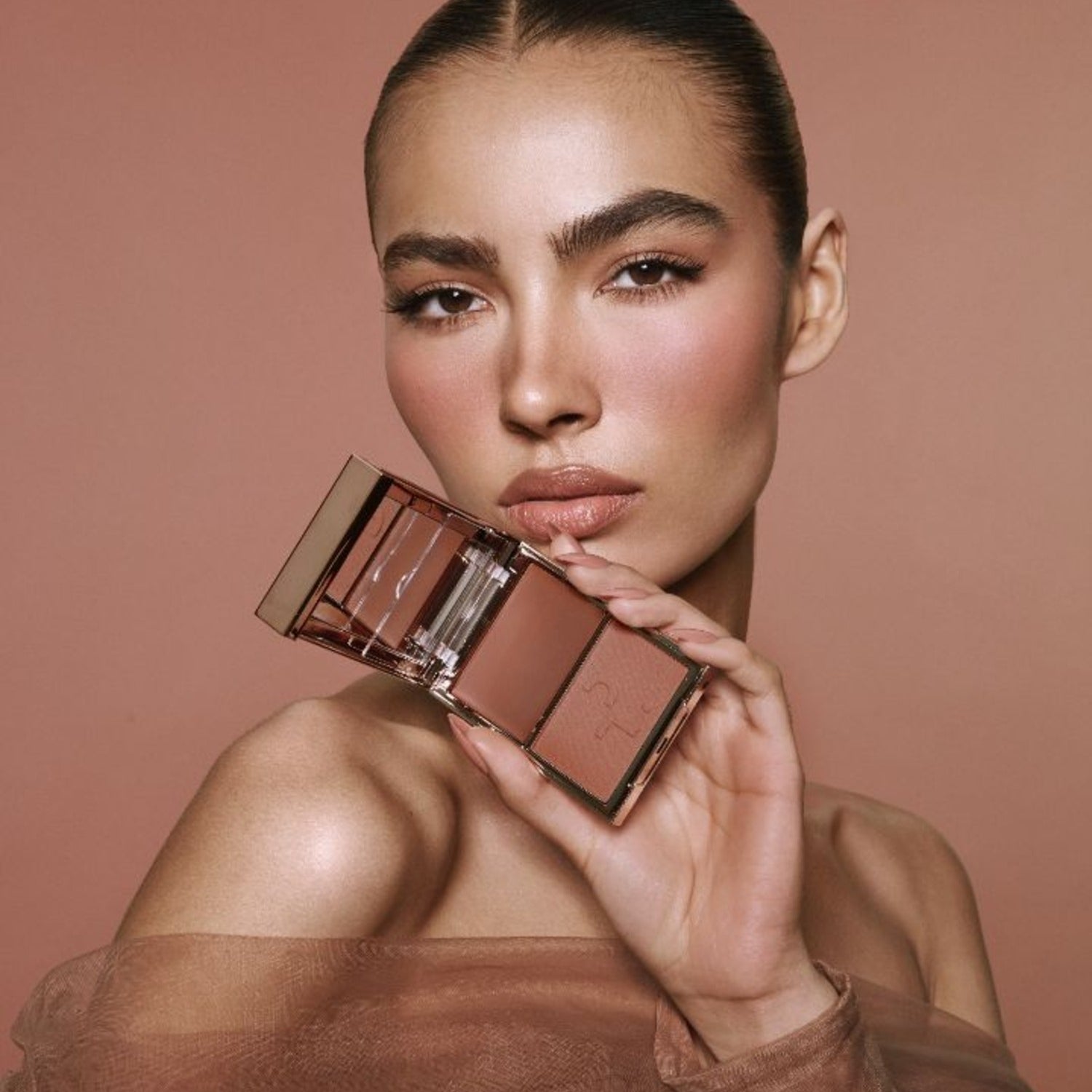
Ready to find your perfect shade? The Major Headlines Double-Take Creme & Powder Blush Duo pairs a cream and powder in one compact — built for the layering technique above. Here are the standout picks for every olive type:
- She's Blushing (Rosey Taupe): A muted, rosey taupe that works as a daily go-to for neutral olive skin. It bridges warm and cool tones for a natural, no-effort flush.
- She's Flushed (Soft Peachy Pink): A soft peachy pink that enhances warm olive complexions with a natural-looking warmth. This shade gives you that "just came from a walk" glow.
- She Goes to the Gym (Cool Mauve Rose): A cool mauve rose designed for cool olive skin. It adds dimensional color without fighting your grey-green undertone.
- She's Baked (Rich Terracotta): A rich terracotta for warm olive skin that wants to make a statement. This shade delivers a sun-kissed, sculpted warmth that pairs perfectly with bronzer.
How Transition Blush Completes the Look on Olive Skin
Once you have your blush shade dialed in, pair our Liquid Transition Brightening Blush with the Transition Blurring Blush Duo as the final step to take olive skin from good to seamless. This sheer, soft-matte powder is worn over your blush to diffuse color across the space between the undereye and the cheek, softening any harsh edges where concealer meets pigment. That blurring effect matters even more on olive skin, where an abrupt transition can read muddy against the green-yellow undertone.
The best Transition Blush shade for olive skin is Did You Notice (Peach). Its warm, golden-peach cast complements the natural warmth in olive complexions and diffuses color without pulling grey or chalky. If your olive skin leans warm, Quite Confident (Vibrant Coral) delivers a brighter, saturated blur that holds its own against the green undertone. Cool olive types can reach for Between Us (Lilac), which brightens the undereye area and works with a grey-green cast instead of fighting it.
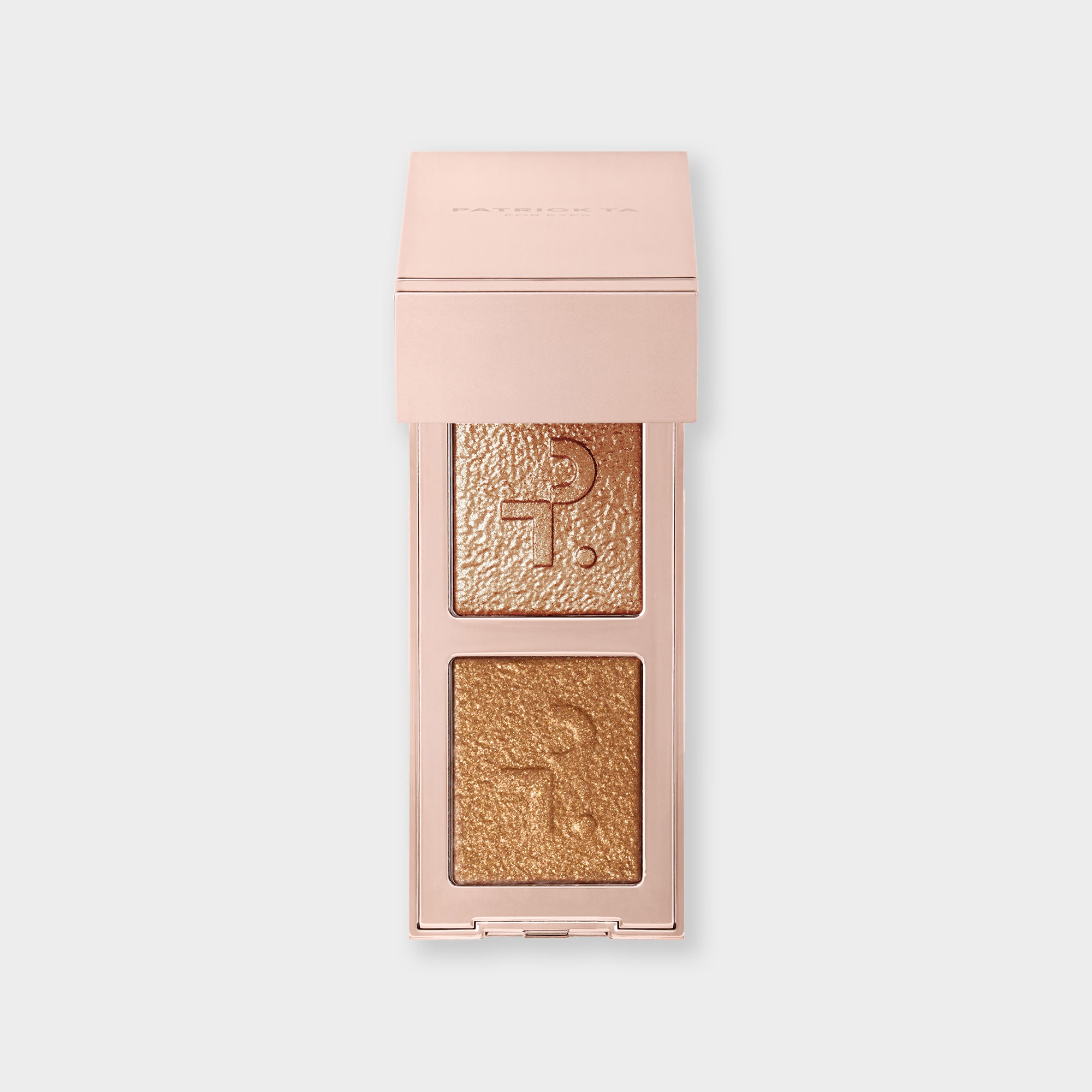
Sweep the darker shade between your undereye and cheek where concealer meets blush, then use the lighter shade to bake under the eyes for a soft, lifted gradient.
Frequently Asked Questions
What Is the Best Blush Color for Olive Skin?
It depends on your undertone. Warm olive skin suits corals, terracotta, and golden peach. Cool olive skin looks best in mauves, cool rose, and berry. Neutral olive skin can wear soft pink, rosey taupe, and neutral peach.
What Blush Colors Should Olive Skin Avoid?
Skip sheer pastels, baby pinks, overly orange shades, and very light nudes. The green-yellow undertone in olive skin neutralizes these pigments, leaving a chalky, muddy, or washed-out finish.
Is Cream or Powder Blush Better for Olive Skin?
Both work, and layering them together works best. Powder delivers control and staying power, while cream adds a melted-in, dewy dimension. Stamping cream over powder gives olive skin a multidimensional flush that lasts all day.
How Do I Know if I Have Warm, Cool, or Neutral Olive Skin?
Look at the veins on your inner wrist in natural light. Green-gold veins point to warm olive, blue-grey veins point to cool olive, and a mix of both means you are neutral olive.
Where Should You Apply Blush on Olive Skin?
Slightly higher on the cheekbone than you might think. Placing blush too low in the hollows can look muddy against a green undertone, while higher placement catches the light for a fresh, lifted flush.

RELATED POSTS

Here are our top picks, organized by category, so you can find the right gift fast.

With a few simple rules, you can pick something they will actually use, love, and reach for every day.

Celebrity makeup artist and founder of Patrick Ta Beauty, Patrick Ta, has once again captivated the beauty world with his innovative products, earning multiple accolades at the 2025 Allure Best of ...

Here is Patrick's guide to concealer placement, plus how to apply it for a seamless, skin-like finish.

Here is how to find your concealer shade, how to test it, and how to use more than one shade for a flawless base

Here is why red blush has become a modern staple, how to choose the right shade for your skin tone, and how Patrick applies it for a flush that looks effortless.

Here are the shades that make brown eyes stand out and the Patrick Ta palettes that deliver them.

If you have been reaching for the same pink or peach for years, mauve blush is the easiest way to refresh your routine without going bold.